

Blog
A deeper dive into ADHD

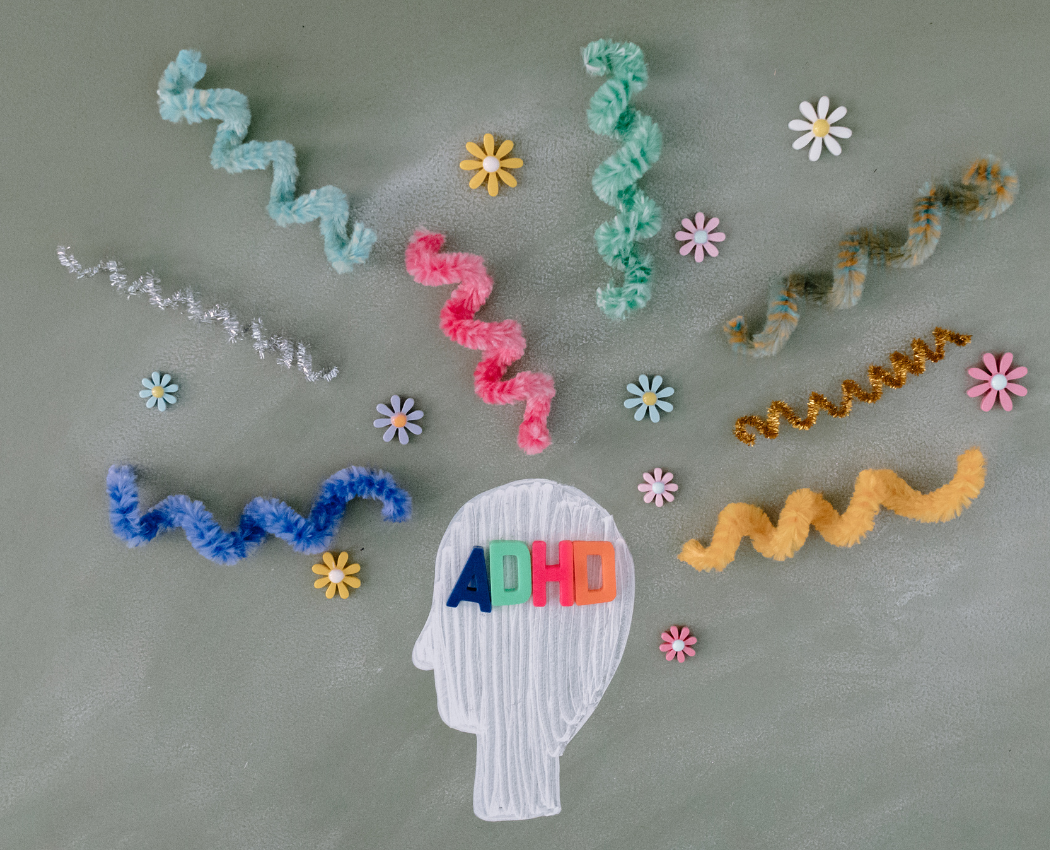
Attention Deficit/ Hyperactivity Disorder (ADHD) is a lifelong neurodevelopmental condition. It is marked by persistent patterns of inattention, impulsivity, and/or hyperactivity that interfere with daily functioning. It is important to note that it’s not just that the person is easily distracted – the challenges someone with ADHD struggles with are rooted in differences in how the brain is structured and operates.
ADHD: Brain Regions & Mechanisms
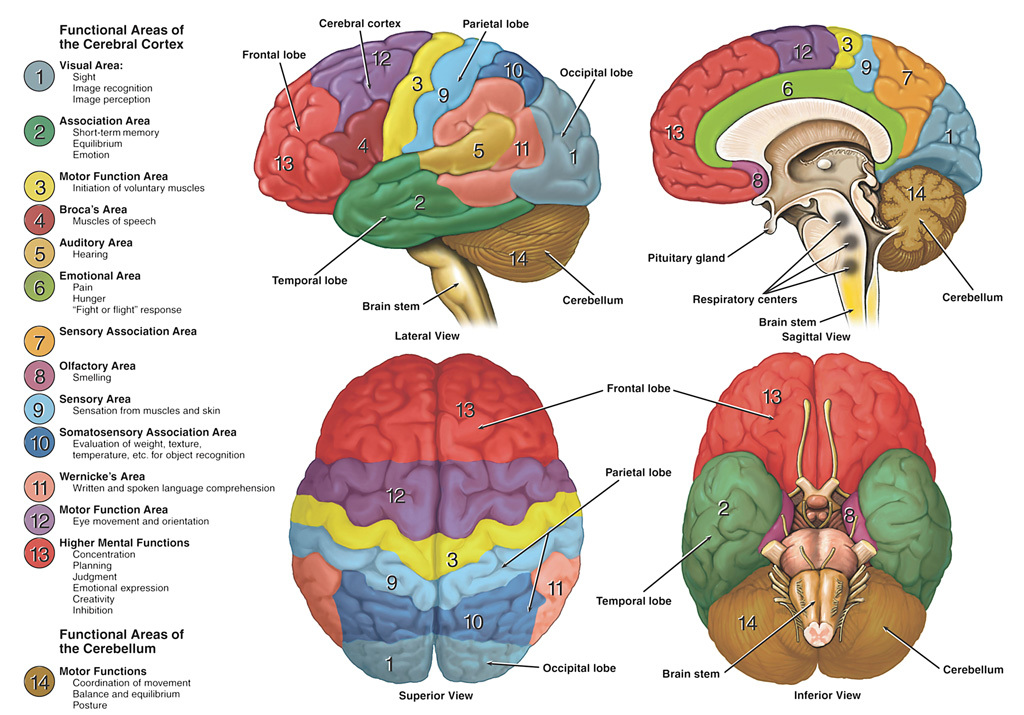
Research highlights several brain areas and networks affected that could be the cause of ADHD. Let’s look at a few. The Prefrontal Cortex is responsible for executive functions such as the ability to focus, plan and even have impulse control. In ADHD, this area tends to have reduced activity and structural differences which undermines self-regulation. On the website of Spectrum Centre you can find this wonderful explanatory article on ADHD. Do read it alongside this one.
The Basal Ganglia & Dopaminergic Circuitry also plays a vital role for those with ADHD. These systems govern motivation and attention. A person with ADHD challenges often struggles with regulating dopamine in brain pathways. To have a lapse in focus is also a very natural experience. This is because the brain’s atypical connectivity in the anterior cingulate, temporal/parietal junction, and default-mode/dorsal-attention networks contribute to distractibility and lapses in focus.
Essential Oils That May Support ADHD Symptoms
While not a solution to the challenges, you can use essential oils as complementary tools to support focus and calmness whilst also assisting with cognitive function. Here’s a breakdown of key oils, their active compounds, and how they may help:
Lavender‘s active compound is Linalool and the benefits of using this oil is in its calming effect. Lavender promotes relaxation and reduces anxiety that often exacerbates ADHD symptoms. There are many studies that showed that when you inhale lavender, it improves sleep quality. Vetiver essential oil consist mainly of sesquiterpenes which assist with enhancement of sustained attention and brainwave stability. This improves focus and reduces inattention. Rosemary essential oil contains 1,8-cineole, α-pinene, camphor and borneol derivatives as major components. The main benefits of using Rosemary to assist with ADHD is that it improves cognitive speed and accuracy by enhancing acetylcholine signalling – this is key for working memory and executive function.
The mint oils like Spearmint or Peppermint contain Menthol and menthone. These essential oil are known to protect the brain, enhance memory and concentration, increase alertness, boost mental energy. Frankincense essential oil contains alpha-pinene and boswellic acid. When you use Frankincense you will find that it provides calm, grounded effects which helps regulate mood and reduce impulsivity. Cedarwood essential oil contains cedrene and cedrol, which have been studied for its potential sedative effects, contributing to the oil’s calming reputation. Similarly, the oil may help improve focus and brain function through various pathways – a brain tonic so to speak.
Copaiba essential oil is rich in β-Caryophyllene. This oil has been proved to be a superb anxiolytic in many studies. Finally, Citrus Oils such as Lemon, Grapefruit, Sweet Orange, Bergamot and even Lime has the active compound Limonene. The benefits of using these citrus essential oils are that it helps to elevate mood, reduce stress, and support mental clarity all of which are helpful for mood-related ADHD symptoms.
ADHD and Recommended OilGrow Blends
At OilGrow we have essential oil blends that can absolutely support ADHD. Our Focus Blend features rosemary, spearmint, lemon and vetiver. This blend helps to uplift and enhance concentration. Calm Blend combines lavender, chamomile and marjoram to reduce anxiety and aid better sleep.
We created a lovely earthy scent in the Forest blend also featuring cedarwood, rosemary and vetiver – it aims to reduce stress, increase focus and productivity.
Another heavenly blend is Float with its soft powdery scent. It is a wonderful relief for anxiousness, and has sedative, anti-depressant and mood enhancing properties.
Apply the blends topically, diluted in a carrier oil (see our ready to use roller applicators in each of the blends listed), or inhale the oils by using them in a diffuser, offering quick olfactory and neurological benefits
Natural Compound & Dietary Supports
We feel that it is important to look at the person as a whole to support them with the challenges they experience. In addition to aromatherapy, other natural supportive products include:
- Omega‑3 fatty acids (EPA/DHA) – these are vital for attention and executive function; deficiencies are linked to worsened ADHD symptoms.
- Mineral/ vitamin support is important. This article from Natural Medicine was a profound read and keeps things in proper perspective. Zinc, magnesium and Vitamin B6 deficiencies can mimic or exacerbate ADHD and can be addressed via naturopathic intake.
- Lifestyle pillars such as regular exercise, structured routines, good sleep and excellent hygiene routines are vital. When actively part of your life, it has been shown that each activity bolsters neurotransmitter function and executive control.
Tips & Precautions
- Always dilute oils in carrier oil (1% for kids, 2–3% for adults). Do a patch test first. Use our Responsible Usage Guide or contact us if you’re unsure.
- Use a diffuser intermittently (30 min on, 30 min off) in well‑ventilated spaces.
- Avoid ingestion of essential oils – again, see the responsible usage guide.
- Track personal responses, and adjust blends based on what feels supportive.
Final Thoughts on ADHD
ADHD is rooted in structural and functional differences in brain networks – particularly those governing attention, motivation, and control. Essential oils like lavender, vetiver, rosemary, peppermint, frankincense, cedarwood, and citrus blends offer gentle, supportive benefits to those with ADHD related challenges. Combined with omega‑3s, nutrient support, and lifestyle interventions, they can enhance focus, soothe anxiety, and deepen cognitive clarity for those navigating ADHD.


 Reach us on WhatsApp