

Blog
Neurodiseases

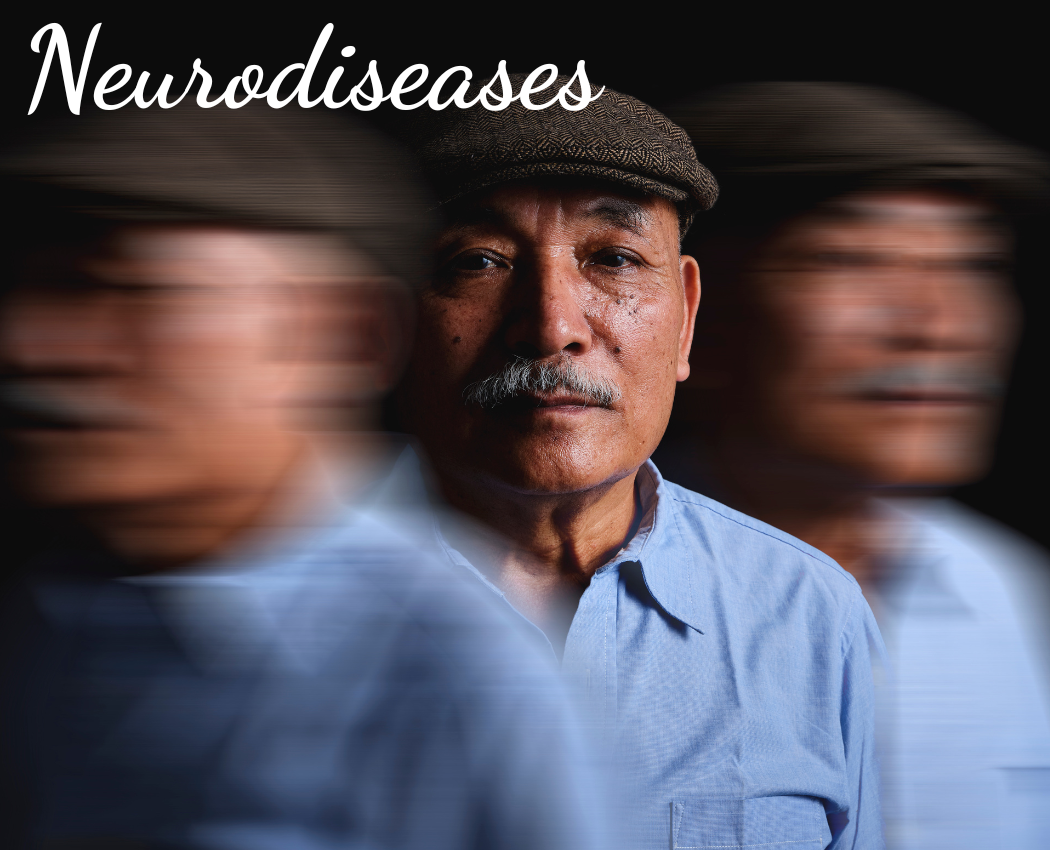
Over the past few months, we’ve been unpacking the world of neurodivergence – conditions like ADHD, autism, and Tourette Syndrome, which describe natural variations in how the brain functions and processes the world. But it’s important to note that not every brain-related condition falls under neurodivergence. Some belong to an entirely different category: neurodiseases.
What Are Neurodiseases?
Neurodiseases are medical conditions that involve the progressive or acute degeneration, damage, or dysfunction of the nervous system. Unlike neurodivergence, which is not an illness but a difference, neurodiseases are considered pathological and often require medical intervention.
Examples of Neurodiseases (Not Neurodivergence):
- Dementia (including Alzheimer’s Disease)
- Parkinson’s Disease
- Multiple Sclerosis (MS)
- Huntington’s Disease
- Epilepsy
- Stroke-related brain injury
- Motor Neuron Disease (ALS)
How Are They Similar to Neurodivergence?
At first glance, neurodiseases and neurodivergence may seem very different – one being a natural variation and the other a disease process. However, they do share some common ground:
- Both affect brain function – influencing memory, attention, movement, or communication.
- Both can impact daily life and relationships – sometimes requiring lifestyle adaptations.
- Both benefit from holistic support – including nutrition, lifestyle shifts, stress management, and complimentary therapies such as essential oils.
| Neurodisease | Affected Brain Area(s) | Common Struggles | Essential Oils That May Help* | Nutritional Support |
|---|---|---|---|---|
| Alzheimer’s / Dementia | Hippocampus, cortex | Memory loss, confusion, mood swings | Rosemary (clarity), Lemon (focus), Frankincense (calming) | Omega-3 fatty acids (fish, flaxseed, chia), antioxidants (berries, green tea), turmeric (curcumin) |
| Parkinson’s Disease | Basal ganglia, substantia nigra | Tremors, stiffness, anxiety, sleep issues | Lavender (relaxation), Vetiver (grounding), Peppermint (alertness) | Vitamin D, magnesium, coenzyme Q10, green leafy vegetables |
| Multiple Sclerosis (MS) | Myelin sheath in CNS | Fatigue, muscle weakness, pain, depression | Eucalyptus (respiratory support), Roman Chamomile (pain relief), Frankincense (anti-inflammatory) | Vitamin D, omega-3s, anti-inflammatory foods (olive oil, turmeric), leafy greens |
| Huntington’s Disease | Basal ganglia, cortex | Mood disorders, cognitive decline, movement problems | Clary Sage (emotional balance), Bergamot (uplift), Cedarwood (grounding) | Antioxidant-rich foods (berries, dark chocolate, green tea), omega-3s, whole grains |
| Epilepsy | Temporal lobe, cortex | Seizures, anxiety, cognitive changes | Lavender (calming), Frankincense (neuroprotective), Ylang Ylang (stress relief) (use with caution) | Magnesium-rich foods (pumpkin seeds, spinach), vitamin B6, ketogenic-style diet (with professional guidance) |
| Stroke Recovery | Varies (depending on injury site) | Paralysis, speech difficulties, memory problems | Rosemary (cognitive support), Cypress (circulation), Lemon (mental clarity) | High-fiber foods, omega-3s, potassium-rich foods (bananas, avocados), antioxidants |
| Motor Neuron Disease (ALS) | Motor neurons in brain & spinal cord | Muscle weakness, breathing/swallowing issues, fatigue | Peppermint (energy), Frankincense (comfort), Marjoram (muscle relaxation) | Vitamin E, omega-3s, selenium (Brazil nuts), nutrient-dense soft foods (smoothies, soups) |
*These oils are suggested as complementary support and not as treatment. Always consult a healthcare professional before using essential oils alongside medical care.
OilGrow Blends that might help with neurodiseases
- Bliss – uplifts mood and emotions of those with any type of neurodiseases
- Boost – supports a healthy gut which improves brain function, fighting infection while modulating the immune system
- Calm – with Lavender, Roman Chamomile and Marjoram to assist with insomnia and better sleep overall
- Float – with Copaiba to help block pain receptors in the brain, Ylang-Ylang and Neroli as an anti-depressant, sedative and relaxing scent
- Focus – to support cognitive function overall with better concentration, focus and memory recall
- Lite – a super oil to assist with gut and digestive health – essential for brain related illnesses
- Relief – anti-inflammatory, anti-spasmodic to assist in reducing swelling and pain.
Final Thoughts
While neurodivergence celebrates brain differences, neurodiseases highlight the challenges of brain degeneration and injury. Both, however, remind us of the incredible complexity of the human mind – and the need for compassionate, holistic support. At OilGrow, we believe that essential oils, when used safely, can play a gentle but powerful role in creating moments of clarity, comfort, and calm for those navigating these conditions.
References for Nutritional Support on Neurodiseases
1. Alzheimer’s / Dementia
- Morris MC et al. Dietary intake of antioxidant nutrients and the risk of incident Alzheimer disease in a biracial community study. JAMA. 2002;287(24):3230–3237.
- Alzheimer’s Association. Nutrition and Alzheimer’s Disease. [https://www.alz.org](https://www.alz.org)
2. Parkinson’s Disease
- Mischley LK et al. Nutritional and botanical interventions in Parkinson’s disease: a cross-sectional survey. J Altern Complement Med. 2015;21(5):271–278.
- Parkinson’s Foundation. Nutrition for Parkinson’s Disease. [https://www.parkinson.org](https://www.parkinson.org)
3. Multiple Sclerosis (MS)
- Riccio P, Rossano R. Dietary habits and nutrition in multiple sclerosis. Front Neurosci. 2015;9:360.
- National Multiple Sclerosis Society. Diet & Nutrition. [https://www.nationalmssociety.org](https://www.nationalmssociety.org)
4. Huntington’s Disease
- Walker FO. Huntington’s disease. Lancet. 2007;369(9557):218–228.
- Huntington’s Disease Society of America. Nutrition & HD. [https://hdsa.org](https://hdsa.org)
5. Epilepsy
- Neal EG, Cross JH. Efficacy of dietary treatments for epilepsy. J Hum Nutr Diet. 2010;23(2):113–119.
- Epilepsy Foundation. Ketogenic Diet for Epilepsy. [https://www.epilepsy.com](https://www.epilepsy.com)
6. Stroke Recovery
- Hankey GJ. Nutrition and the risk of stroke. Lancet Neurol. 2012;11(1):66–81.
- American Stroke Association. Healthy Eating After Stroke. [https://www.stroke.org](https://www.stroke.org)
7. Motor Neuron Disease (ALS)
- Paganoni S, Wills AM. Nutrition and supplements in amyotrophic lateral sclerosis. Neurol Clin. 2015;33(4):1053–1073.
- ALS Association. Nutrition for People Living with ALS. [https://www.als.org](https://www.als.org)
 Reach us on WhatsApp